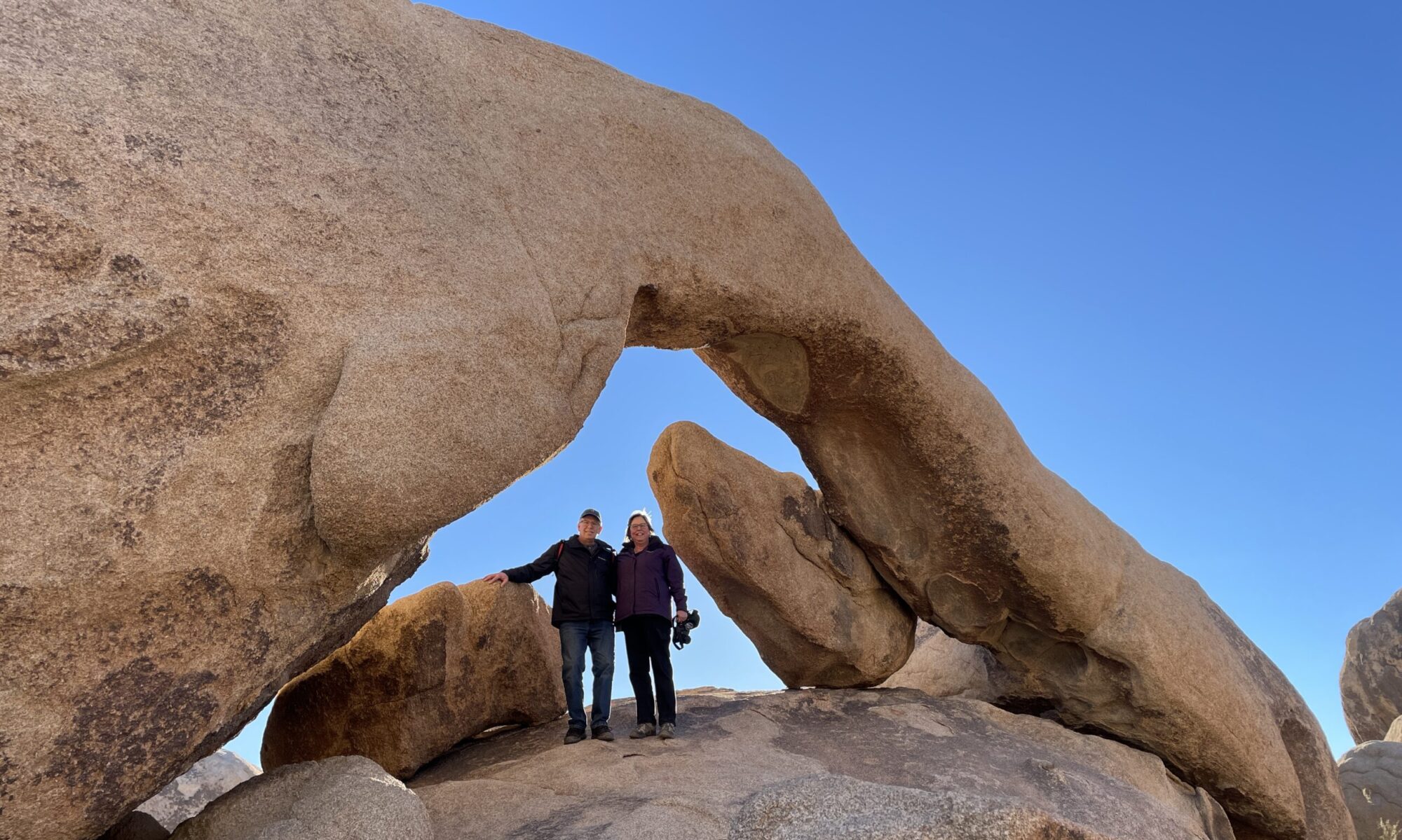


In my better moments with social media, I scroll through Twitter like reading the book of Proverbs. There is not a lot of coherence in Proverbs yet the brief powerful statements provide practical guidance. The tweets I read are for the most part disconnected other than my having chosen whom to follow. Their posts then flow through my timeline.
I look for small bits of wisdom, interesting ideas, and insightful perspectives that shed some light on how I feel. But I rarely have a comprehensive sense of what I learn. I don’t try to fit all the parts together. I tend to enjoy the pieces of wisdom, information, and ideas on their own and sometimes collect them for later use (like in a newsletter article or sermon).
The sermon series for September through October 2 (World Communion Sunday) is “Mosaics of Our Broken Pieces.” It is based on a book by Shane Stanford called Mosaic: When God Uses All the Pieces. During these weeks together we will examine our Restlessness, Regret, Rejection, Responsibilities, and Resources and how God meets us in them and calls us to grow through them.
When things fall apart, there is an immense release of energy, creativity, and potential. I am aware of how much energy I invest in trying to hold everything together and how quickly I am exhausted. So, when things fall apart God uses that condition to show us more grace and mercy in our grief and fatigue.
When things fall apart it is also helpful to talk with others about it. This is why we have a new online Mosaic small group to accompany the sermon series. I hope you will join on Sunday nights from 6:00-7:00 PM on Zoom (https://us02web.zoom.us/j/
In sharing the Mosaic small group invitation with our Thursday Bible study group, Vanessa Palmer replied that she had recently written a poem called Mosaic Masterpiece. I am grateful for her insights and share this with her permission.
Piece by piece, intricate, broken
Fragments, colors, chipped, marred
Pick up each with care
Place in the ordained spot
Mold in and around each
Comforting, cushioning
Align, bring in contrast, depth
The beauty missed up close
Can be seen paces back
We don’t perceive the thread, the weaving
You arrange, rearrange
Bond, seal, glaze and fire
The kiln burns away the dross, the chaff
Shiny, merged, affixed
Now united, the mosaic reveals
Your true heart, your goodness
Your life in me, completed
Your beautiful masterpiece mosaic
When things fall apart, God calls us together for worship, community, and support. You are invited to gather up your broken pieces and offer them to God for the creation of a mosaic masterpiece.

 Each year I come to appreciate the evaluation process because it gives me the opportunity to lift up my heart and see my life in a bigger context than the daily blessings and burdens that claim my attention most of the time. And it reminds me how amazing it is to serve with so many loving people. I invite you to take time yet this summer to explore and examine your faith in light of the five paths of discipleship or other helpful questions. And I would appreciate the chance to listen and encourage you along the way.
 What mental pictures or ideas do you have about time?
 My sister posted this quote on Twitter and it made sense right away. The continuing pandemic, turmoil over books in school libraries, threats to voting rights and the future of our democracy, and our personal suffering form layer upon layer of weariness in us. We move from one thing to another, the next concern or need or crisis, and lose sight of what kind of tired we are.
 The picture is from Father’s Day 2011. Our daughters, Sarah, Lindsey, and Amanda were willing to pose before we disposed of the swing set that we had moved from Three Rivers to Kalamazoo to Rockford. Beverly and I built that swing set for Lindsey around 1990. We got the kit from the local lumber company and did it ourselves. Sure there were directions and I don’t remember if there were any spare parts left over but once it was built we asked Bill, one of the Church Trustees, to come over and look at it.
 I like technology. I was a dedicated Windows PC desktop and laptop computer user, and had a Samsung Galaxy 5 cell phone until seven years ago. Beverly and our daughters had gotten iPhones and they were able to communicate so much easier together with FaceTime and messaging. I was feeling somewhat left out of those family systems and had the encouragement of an avid Apple computer user in the congregation to move into the Apple universe. I made the move to a MacBook Pro at the end of 2014 and have not looked back. I still use that laptop and now use an iPhone 12 Pro, an iPad Pro (which replaced my iPad Air 2), and Apple Watch.

 And we live in an argumentative culture. Arguments presume a common commitment to language and practice. For me, this common commitment is lacking in our national discourse. I keep catching myself assuming there is a common commitment only to find that we aren’t even on the same page or even in the same book. I feel discouraged when I find instead a commitment to creating confusion and misdirection and chaos so that valuable efforts are blocked or dismissed.
 In our Wesleyan tradition, we practice
  It is, for example, easier to remember something we have learned in school if we are tested for it in the same room with the same noise in the background
  . There is even a history of people paying to rent their pews and decorating them. The history of the Free Methodist Church denomination, founded on August 23, 1860, was “dedicated to free pews, free worship, free men and women, and a freedom to live holy lives in obedience to the Bible” (https://www.gfree.org/our-story/). We can be quite misguided about where we learn.
 And then there is Jesus. Jesus did not teach people the same way in the same place at the same time. His “classrooms” were mountainsides, dinner tables, boats in stormy waters, dusty roads, synagogues, and wells at the middle of the day. The only connecting thread in Jesus’ teaching is Jesus himself. So, our relationship with Jesus is what allows us to learn and remember in any circumstance.